Best Time to Visit Spiti, Ladakh, Bhutan, Meghalaya and Vietnam — A Seasonal Guide for Travellers from Gurgaon and Delhi
A practical, season-by-season guide for travellers based in and around Gurgaon/Delhi planning bike tours, trekking, camping or sightseeing in Spiti, Ladakh, Bhutan, Meghalaya and Vietnam, with weather expectations, road and activity notes, and planning tips grounded in recent traveller experiences.
Overview: Why timing matters for multi-destination trips
When you plan an expedition from Gurgaon or Delhi to high-altitude or monsoon-influenced destinations, the month you travel affects road access, safety on bike tours, camping options, and the availability of lodges or guides. This guide summarizes typical seasonal windows for Spiti, Ladakh, Bhutan, Meghalaya and Vietnam, and explains how weather and road conditions influence the kinds of activities (motorbike rides, river crossings, camping, sightseeing) you can realistically expect.
Spiti Valley — best window and what to expect
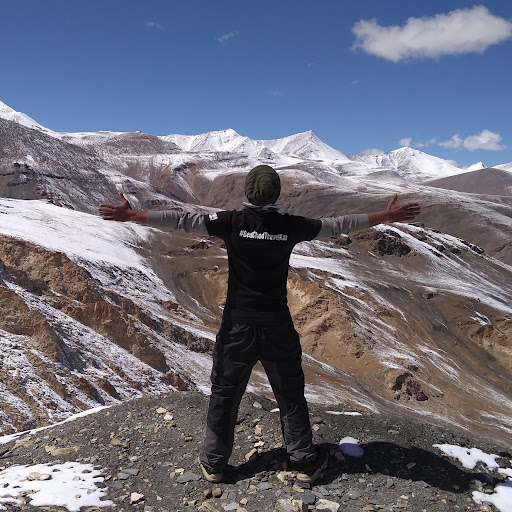
Spiti’s high-altitude roads generally open and become reliably passable from late May/June through September. This is the common season for organised bike tours and multi-day treks because snow has receded and mountain passes are mostly clear. Expect cool days, very cold nights, and abrupt weather changes; mornings can be frosty even in summer. Road surfaces can be rough and single-lane in stretches, so bike marshals and experienced captains are useful for route decisions and group safety. Camping and river-side stops are possible in summer, but always confirm current road status before departing.
Ladakh — when passes open and altitude considerations
Most Ladakh bike expeditions run from early June through September, when passes such as Zoji La and Tanglang La are typically open and snow-free. Travel earlier risks residual snow and road closures; travel later runs into cold nights and shorter service seasons for remote stays. High-altitude acclimatisation is essential: include rest days and plan transport contingencies. Recent traveller reports consistently highlight the value of experienced trip captains and marshals to manage high-pass riding and group wellbeing on these routes.
Bhutan — shoulder seasons for clearer skies and smoother logistics
For Bhutan, the most favourable months are generally March–May and September–November. These shoulder seasons offer clearer skies, comfortable daytime temperatures, and good conditions for sightseeing, cultural visits, and moderate trekking. The monsoon (June–August) brings heavy rain in parts of the country and can reduce visibility and affect road travel. Winter months are colder and some highland routes may be less comfortable for casual sightseeing. Multiple travellers have praised carefully chosen stays and knowledgeable local guides for improving the Bhutan experience, a point worth checking with your operator when you book.
Meghalaya — monsoon splendour vs. access challenges
Meghalaya’s defining feature is heavy seasonal rainfall. If your goal is lush waterfalls, living root bridges and dramatic rivers, the monsoon (June–September) offers spectacular scenery. However, heavy rain can also cause swollen rivers, limited road access and disrupted camping or river activities. For a balance of accessibility and scenic beauty, consider October–May, when roads are more reliable and outdoor activities are easier to arrange. If you choose to travel during high-rain periods, factor in flexible schedules and plans for alternate routes or extra travel time.
Vietnam — plan by region, not just by month
Vietnam’s climate varies sharply by region. Northern Vietnam (Hanoi, Ha Long) is generally pleasant in spring (March–April) and autumn (September–November). Central Vietnam (Hoi An, Hue) is warmer and has its own rainy season; southern Vietnam (Ho Chi Minh City) is tropical with a clearer dry season from December to April. If you are booking a packaged or customised trip, specify which regions you want to visit and ask your operator for a region-specific timing recommendation. Recent travellers who booked Vietnam packages noted that having an organised team in-country significantly reduced logistic stress.
Practical tips for Gurgaon/Delhi travellers and final checklist
Start planning early and build flexibility into your itinerary: allow buffer days for road delays or weather-related changes, especially for high-altitude routes. Verify pass and road status a week before departure. For bike tours and remote camping, confirm vehicle and bike maintenance, the presence of skilled marshals/captains, and emergency transfer plans. Several travellers praise on-ground trip leaders for safety and coordination, but reviews also advise asking about refund policies, security deposits and upgrade charges before you pay. Bring layers, altitude medication if needed, a basic repair kit for bikes, and appropriate insurance. If you prefer organised options, contact Deyor Experiences (based in Gurgaon) to discuss route options and seasonal windows — and request clear written details on inclusions, payment terms and contingency plans before you commit.
Customer review


Article by
Deyor Experiences
India's First Travel Company To Feature On Shark Tank India. Travel with India's Largest Travel Community. Travel With Like Minded People Only With Deyor!