First-Time Spiti Bike Trip from Delhi or Chandigarh: A Practical 7–10 Day Guide and Cost Considerations
A clear, practical guide for riders from Delhi–NCR and Chandigarh planning their first Spiti Valley bike expedition, with route options, a flexible 7–10 day itinerary, riding and permit guidance, and a transparent look at cost components and trade-offs between group tours and self-planned trips.
Who this guide is for and what to expect
This article is written for riders based in and around Delhi–NCR and Chandigarh who are planning their first motorcycle expedition to Spiti Valley. It outlines two common route options, a flexible 7– to 10‑day day‑by‑day plan you can adapt to your pace, practical advice on road and weather conditions, permit and gear considerations, and a clear breakdown of the cost components to compare group tour packages with self‑planned trips. It also highlights common on‑ground strengths and recurring operational issues you should verify with any tour operator before booking.
Best route options from Delhi or Chandigarh
There are two frequently used approaches to reach Spiti from the Delhi region. Many riders travel via Manali—reaching Manali from Delhi/Chandigarh and then proceeding over the high passes into Lahaul and onward to Kaza; this route is popular for its direct road access from the south. An alternative is the Shimla–Kinnaur–Reckong Peo corridor that approaches Spiti from the west and can be very scenic. Choose the start point (Delhi or Chandigarh) and route based on time available, road‑opening status, and personal comfort with higher passes—both routes demand careful planning for single‑day riding loads and contingency for weather or landslides.
Flexible 7–10 day itinerary (day‑by‑day outline)
7‑day option (compressed): Day 1 – Delhi/Chandigarh to your staging point (Manali or Shimla area) and bike checks; Day 2 – approach higher terrain (Manali to the gateway town / or travel across Kinnaur toward Spiti foothills); Day 3 – enter Spiti region and reach Kaza; Day 4 – acclimatise and short local rides (Tabo, Dhankar, or nearby villages); Day 5 – explore higher villages (Langza, Hikkim, Komic) or a lake excursion if road permits; Day 6 – return toward the approach town; Day 7 – transfer back toward Delhi/Chandigarh. 10‑day option (leisurely): adds an extra day for gradual acclimatisation and a day for contingency (road closures, rest, or vehicle repairs), and allows a looped approach with additional cultural stops. Use this outline as a template: adjust daily distances, rest days, and contingency days so altitude gain is gradual and you ride within your comfort limits.
Road conditions and riding safety tips
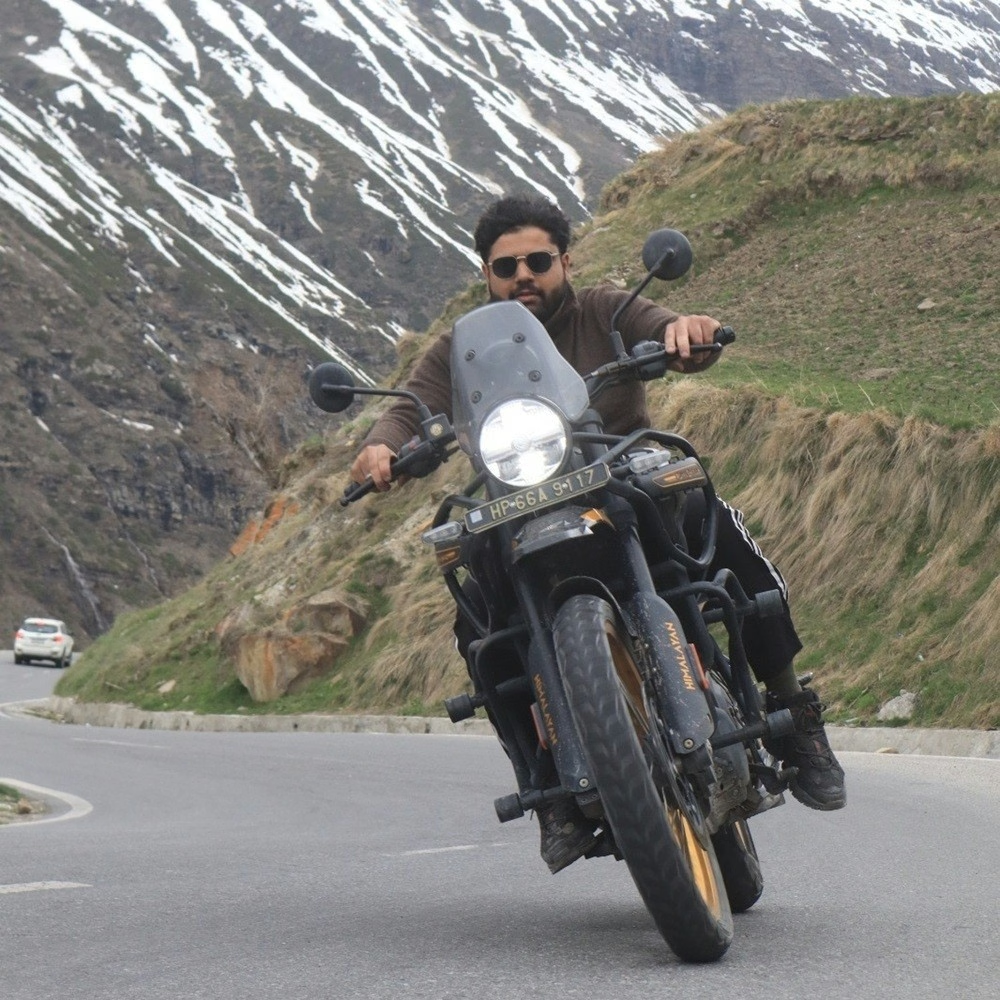
Expect highly variable surfaces—paved sections, long stretches of broken tarmac, loose gravel, and occasional mud or snow depending on season and recent weather. High‑altitude passes and narrow valleys mean sudden weather changes and limited services in stretches. Practical riding tips: ride conservatively, keep group spacing to allow reaction room, plan for less daylight at altitude, and make use of a front marshal/rear support van if you have one. Many riders praise on‑ground captains and marshals for route judgment and safety support, so consider operators that provide experienced ride leaders and a support vehicle for luggage and mechanical backup.
Permits, ideal season, and essential gear
Ideal season for most Spiti expeditions runs in the post‑snow months when passes are open and guesthouses operate; this period offers the most reliable access and road‑support. Verify permit requirements before you go—requirements can differ for foreign nationals, certain restricted stretches, or if you cross state lines—check official state resources or ask your operator for current guidance. Essential gear includes layered riding clothing for cold and sun, a reliable helmet, waterproofs, basic repair tools, a charged power bank, and a first‑aid kit. For high‑altitude trips, plan an acclimatisation day early in your itinerary rather than racing to higher elevations.
Cost components and comparing group tours vs self‑planned trips
Rather than quoting prices, think in terms of cost categories: transport (fuel or vehicle transfer and support van), bike rental or served bike upgrades, accommodation and meals, support staff and marshals, permits and tolls, and contingency funds for repairs or emergency transfers. Group tours bundle many of these elements (route planning, marshals, support van, local stays), which reduces logisitical friction and is often preferred by first‑time Spiti riders for safety and on‑ground coordination. Self‑planned trips can be cheaper if you source cheaper lodging and self‑manage logistics, but you must account for solo contingency risk and mechanical backup. Reviews commonly praise experienced captains, marshals, and support teams as decisive benefits of organized group expeditions; at the same time, several riders recommend confirming deposit, bike inspection, and refund policies in writing before booking because some batches have reported disputes around security deductions and post‑ride inspections.
Accommodation, food expectations and quality variability
Accommodation in the Spiti region ranges from basic guesthouses and homestays to relatively comfortable mountain lodges; services are limited and seasonal. Many travelers report thoughtfully chosen, comfortable stays on well‑run batches, while others have encountered inconsistent quality—especially in very remote stretches or high‑season pressure points. Plan to be flexible: carry personal essentials (sleeping liners, quick‑dry clothing), be prepared for simpler meals on some days, and verify dietary needs with your operator in advance. If lodging hygiene or food quality is a priority for you, ask operators for sample property names or past itineraries so you can check recent traveler feedback.
Final pre‑ride checklist and recommendations
Before you depart, perform a mechanical check or request a documented bike inspection, confirm the operator’s safety protocols and support vehicle details, and get clear written terms on security deposits, bike inspection criteria, and refund timelines. Carry copies of ID, emergency contact numbers, and consider travel insurance that covers high‑altitude travel and emergency evacuation. Start slowly to acclimatise, hydrate well, and keep realistic expectations: weather and mountain roads are inherently unpredictable. If you prefer strong on‑ground leadership, consider operators known for experienced ride captains and marshals; if you choose a packaged group, verify the operational clarity and financial transparency in writing to avoid post‑trip disputes.
Article by
Deyor Experiences
India's First Travel Company To Feature On Shark Tank India. Travel with India's Largest Travel Community. Travel With Like Minded People Only With Deyor!