How Group Tour Itineraries Are Designed: Balancing Adventure, Comfort, and Altitude Safety
An inside look at how a Gurgaon-based tour operator plans multi-day group trips—how they choose night halts, control altitude gain, set daily ride distances, schedule rest days, and select accommodations to keep trips exciting, safe, and manageable for mixed-experience groups.
Why itinerary design matters for multi-day group trips
A successful multi-day group tour combines route planning, on-ground staffing, accommodation choices, and contingency planning. For adventure trips—especially high-altitude rides to places like Spiti, Leh–Ladakh or Bhutan—itineraries must protect participants’ health and energy while still delivering memorable experiences. Good design reduces surprises on the road, supports riders of different skill levels, and creates space for the group to bond without compromising safety.
Principles that guide route and halt selection
Operators balance scenic value, road quality, and service availability when choosing night halts. Preference is given to towns where reliable accommodation, medical help, and fuel are accessible. Reviews commonly note that thoughtfully chosen stays—particularly on Bhutan and many Spiti/Leh batches—help preserve comfort after long days of riding. Where infrastructure is limited, plans tend to shorten daily legs and prioritize locations with stable food and lodging options.
Controlling altitude gain and scheduling acclimatization
Altitude safety is a design constraint, not an afterthought. Itineraries spread elevation gain over multiple days, include deliberate acclimatization stops, and build in low-altitude rest days before high passes. Teams commonly monitor riders for symptoms and adjust plans when needed. Reviews for mountain trips highlight captains and marshals who proactively guide acclimatization—an indication that experienced staff are central to implementing altitude-safe schedules on the ground.
Daily ride distances, pacing, and rest windows
Planners aim for realistic daily ride distances that account for terrain, weather, and group pace. Rather than pushing maximum kilometres, successful itineraries allocate time for mechanical checks, photo stops, and short rests so riders stay comfortable. For mixed-age groups and first-time riders, moderate daily targets and clearly defined breaks maintain momentum while reducing fatigue and risk.
On-road safety: marshals, backup vans and mechanical support
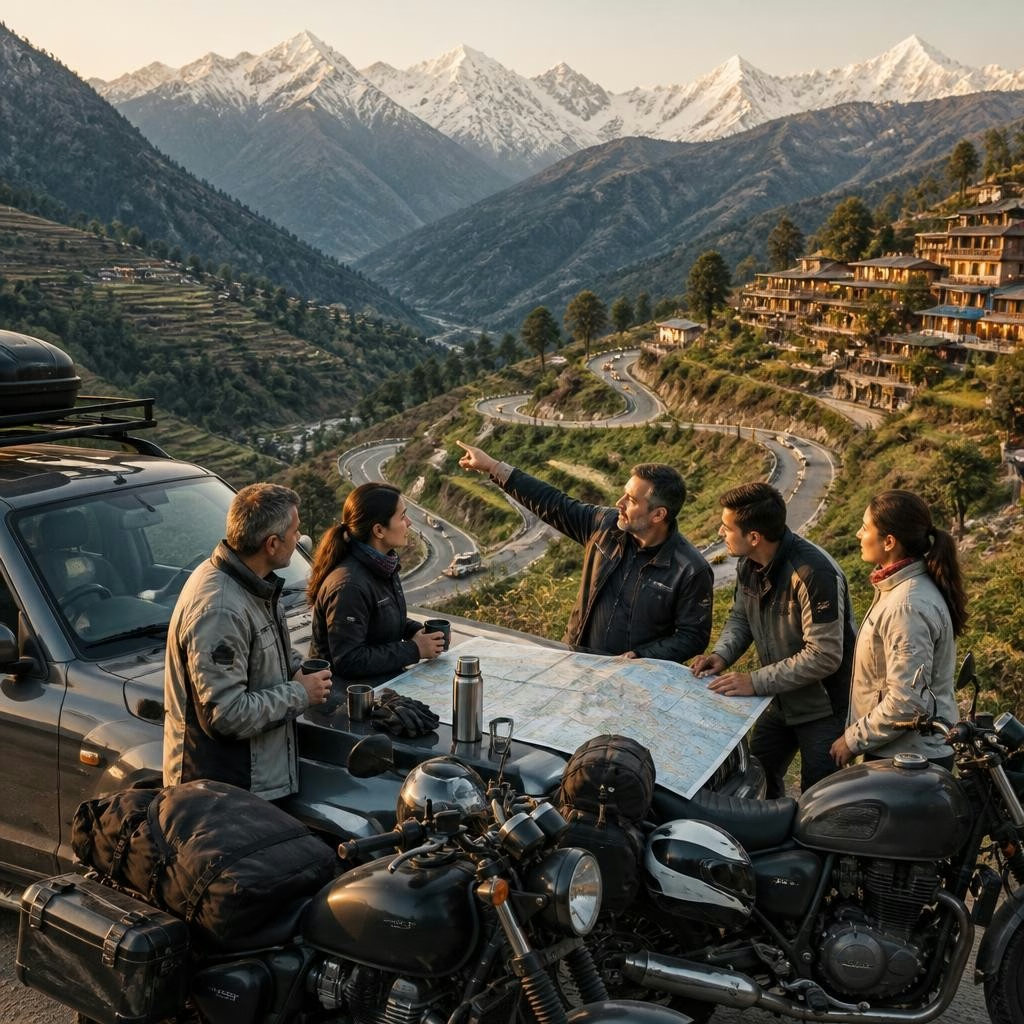
A layered safety setup is a common expedition standard: lead marshals steer the group, rear marshals ensure no one is left behind, and a backup van carries spare parts and non-riding passengers. Reviews frequently praise trip captains and marshals—named in feedback—as calm, supportive, and safety-focused. That on-ground presence allows itineraries to include bolder routes while maintaining a safety net for unexpected mechanical or health issues.
Choosing accommodations and meal standards for groups
Accommodation choices balance comfort and availability. In regions with limited options, operators prioritize cleanliness and safety over luxury and inform participants in advance. Several customer reports mention comfortable, scenic, and thoughtfully chosen stays in places like Bhutan and many mountain batches; others highlight occasional inconsistencies in food and lodging quality in remote stretches. Clear pre-trip communication about expected standards helps set accurate expectations.
Communication, transparency and contingency planning
Good itineraries are supported by clear pre-trip briefings and transparent policies. Reviews show strong on-ground coordination and communicative captains, but they also point to backend issues—such as unclear deposit or refund processes and operational communication gaps—that can undermine trust. A robust plan includes explicit refund and upgrade policies, emergency transfer options, and a single point of contact during the trip so participants know how logistical decisions will be made if plans change.
Practical questions for travellers and preparation tips
Before booking, ask the operator about marshal and backup van arrangements, altitude acclimatization days, typical daily ride distances, and sample night halts. Request clarity on accommodation standards, emergency evacuation procedures, and refund/security deposit policies. Physically, prepare with short practice rides, basic mechanical familiarity, and layered clothing for mountain conditions. Finally, pack patience: flexibility on remote routes often preserves safety and the overall quality of the group experience.
Article by
Deyor Experiences
India's First Travel Company To Feature On Shark Tank India. Travel with India's Largest Travel Community. Travel With Like Minded People Only With Deyor!