How to Choose Between Spiti and Ladakh for Your First Himalayan Road Trip
A practical guide for Gurgaon and Delhi travellers comparing Spiti and Ladakh on road conditions, altitude, season, vehicle choice, comfort and on-ground support so you can pick the route that fits your first Himalayan road adventure.
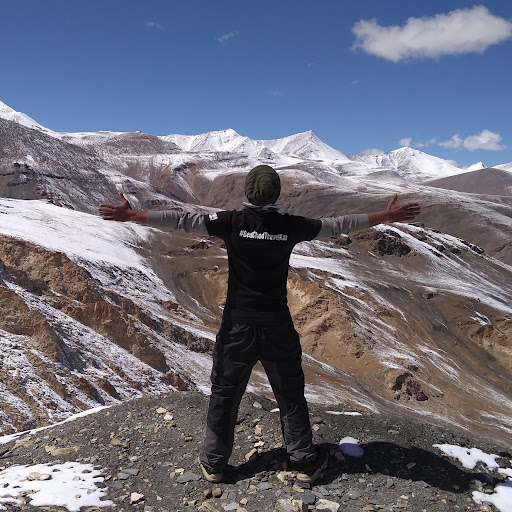
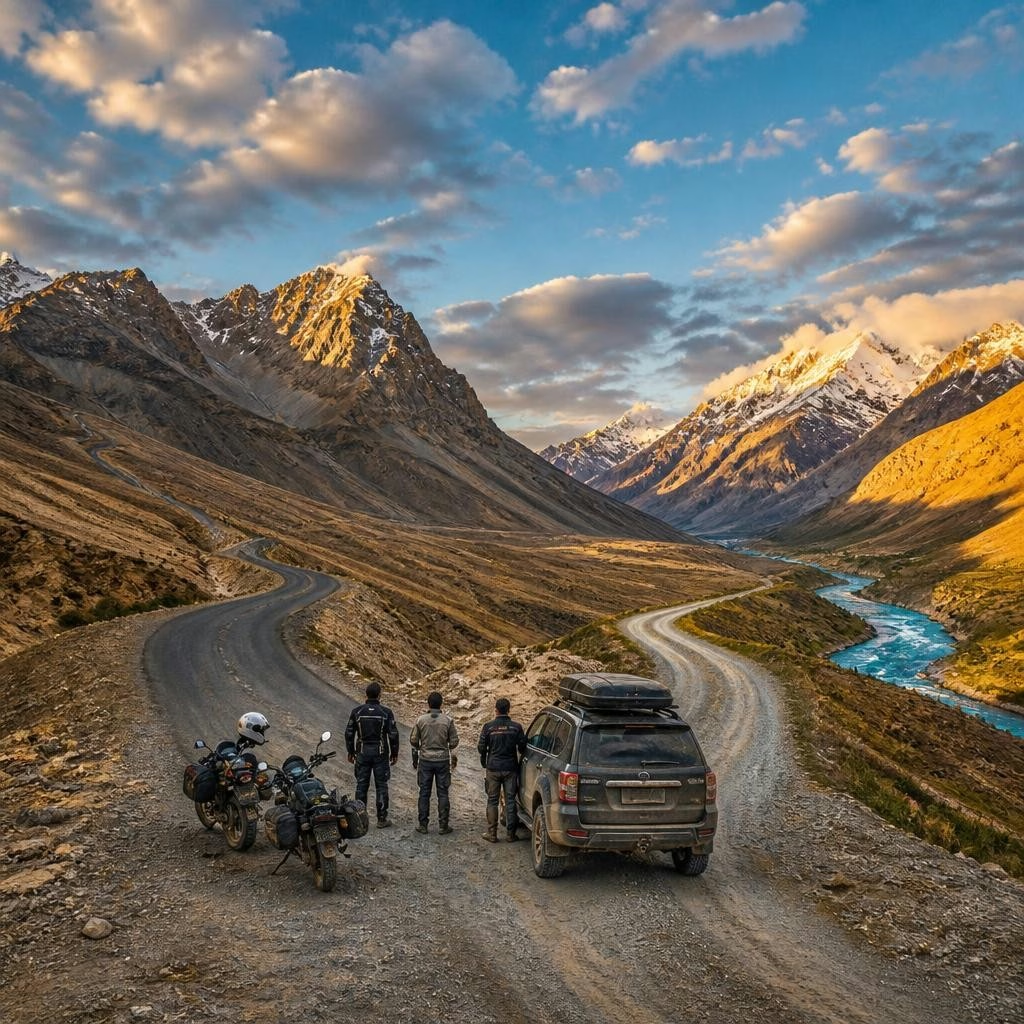
Why this comparison matters for Gurgaon and Delhi travellers
If you’re based in Gurgaon or Delhi and planning your first Himalayan road trip, choosing between Spiti and Ladakh shapes everything from vehicle choice to acclimatisation, packing and logistics. Both destinations offer unforgettable landscapes and strong group-tour options, but they differ in road type, altitude exposure, crowd levels and the kind of on‑ground support you’ll want. This article distils practical differences and action steps based on real group‑tour experiences so you can make a confident decision and plan a safer, more enjoyable trip.
At-a-glance: Spiti vs Ladakh — the quick comparison
Spiti tends to feel more remote and village‑scale: high plateaus, quiet monasteries and long stretches of rough, narrow roads that reward riders who enjoy solitude and rugged terrain. Ladakh is more iconic for first‑timers — high passes, famous lakes (Pangong), wide barren landscapes and established tourist circuits that can feel busier but also offer well‑worn routes and services. Both require high‑altitude awareness; Ladakh commonly includes very high passes and multiple rapid altitude changes, while Spiti can present long stretches of challenging surface and isolation.
Road conditions and vehicle choice: bike or SUV?
Many travellers with group operators take bikes for the immersive experience; reviews repeatedly highlight skilled captains, marshals, mechanics and backup vans that make bike tours manageable even over tough stretches. Bikes are rewarding on both circuits but expect rough, sometimes washboard or gravel surfaces in Spiti and steep ascent/descent sections and high passes in Ladakh. SUVs or tempo travellers are a better fit if you prioritise comfort, luggage space, or are travelling with family. Before you book, confirm whether the tour includes a backup vehicle, dedicated mechanic and convoy marshals — these supports are frequently mentioned as trip‑makers in real trips.
Altitude, acclimatisation and health precautions
Altitude is a key deciding factor. Ladakh itineraries typically cross several high passes in quick succession; Spiti also reaches high plateaus but often with longer stretches between stops. Reviews credit experienced trip captains for helping groups manage altitude symptoms: they pace ascents, suggest rest days and monitor riders. For a first Himalayan trip, plan at least one acclimatisation day on arrival, stay hydrated, avoid overexertion on day one, and inform the operator about any pre‑existing conditions. Ask your provider how they handle altitude sickness and emergency evacuation in remote stretches.
Best season and timing considerations
Both regions are seasonal: roads into Spiti and Ladakh are most reliable during the warmer months when high passes are open and services are available. That window is also when group departures and support teams are most active. Outside that season you’ll face road closures, limited fuel and few accommodation options. If you have a fixed long weekend, check whether your dates align with the local road‑opening schedules and tour departures, and confirm contingency plans (alternative routes, buffer days) with your operator.
Accommodation, comfort and trip vibe
Traveller feedback frequently praises comfortable, clean stays and supportive on‑ground teams on both circuits. Spiti’s vibe leans toward small homestays and simple guesthouses with quiet village evenings; Ladakh offers a mix of basic guesthouses and more established hotels near popular spots. If comfort is a priority, ask about room types, hot water availability and where night halts fall in the itinerary. For bike groups, confirm luggage transfer arrangements and whether the tour uses a camper or backup van for overnight baggage — these practical details strongly affect comfort on consecutive riding days.
Logistics, bookings and what to confirm before you go
Before committing, Gurgaon/Delhi travellers should confirm key operational details with the tour operator: precise start and end points, what’s included (meals, permits, fuel, bike deposit handling), backup vehicle and mechanic arrangements, and the cancellation/refund policy. Reviews show that on‑ground crews receive consistent praise but that office‑side coordination or last‑minute logistics can be a pain point for some groups. To reduce stress, request a clear contact for day‑of problems, a plan for any bus or vehicle breakdowns, and written confirmation of pick‑up times and meeting points.
Making your choice: a simple checklist
Choose Ladakh if you want iconic high‑pass scenery, lakes and a classic Himalayan circuit with more established tourist services. Choose Spiti if you prefer quieter villages, a rugged, less‑touristy feel and long stretches of remote riding. Whichever you pick, prioritise operators who highlight experienced captains, marshals and mechanics, allow buffer days for acclimatisation, and provide clear logistic contingency plans. If you’re in Gurgaon/Delhi, discuss transfer options to Manali or Srinagar, vehicle support, and start‑point logistics with your provider well in advance so your first Himalayan road trip is memorable for all the right reasons.
Article by
Deyor Experiences
India's First Travel Company To Feature On Shark Tank India. Travel with India's Largest Travel Community. Travel With Like Minded People Only With Deyor!