How Transparent Bike Inspections and Security Deposits Work on Himalayan Tours
A clear, practical guide to how security deposits and bike inspections are typically handled on multi-day rides to Spiti, Ladakh and similar Himalayan routes, with concrete steps riders can take to avoid misunderstandings at trip end.
Why transparency matters on high-altitude bike trips
Riding in Spiti, Leh–Ladakh or other Himalayan regions means long days on rough roads, variable weather, and reliance on shared mechanics and support teams. Because tours often use rental or operator-supplied bikes and collect security deposits, unclear inspection procedures or undocumented deductions can turn an otherwise positive trip into a stressful experience. Clear expectations and simple documentation reduce conflict and help riders focus on safety and the journey.
What a security deposit is — and what it typically covers
A security deposit is an advance hold to protect against major damage, theft, or deliberate misuse of the bike during the trip. On multi-day expeditions it usually covers repairable damage beyond normal wear (frame damage, major engine issues after negligent use), replacement for stolen items, or excessive modification. Routine wear such as minor scratches or dirt from gravel and mud is generally considered normal; however, the definition of “normal” can vary, so it’s important to confirm the operator’s specifics before you hand over money.
How bike inspections usually work on multi-day Himalayan rides
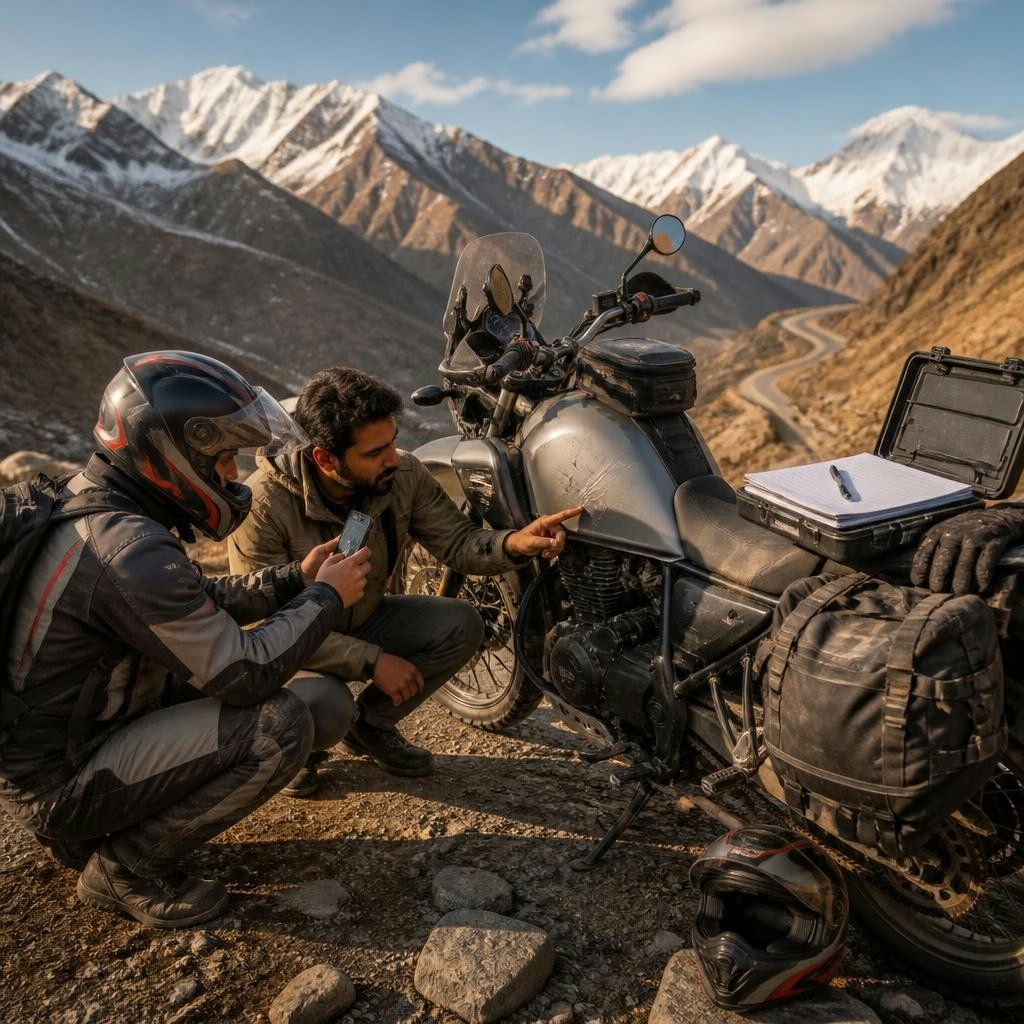
Inspections are commonly performed twice: a pre-ride check before the tour starts and a post-ride check when the bike is returned. A basic inspection covers visual checks (body panels, mirrors, tyres), functional checks (lights, brakes, clutch), and documentation of odometer readings or pre-existing dents. Some operators use a signed checklist or photos; others rely on the mechanic’s verbal report. Because field conditions in the mountains can be improvised, insisting on photographic or written records at both checkpoints is a practical way to keep the process objective.
Common dispute triggers and how to avoid them
Disputes often arise when damage is noted at the end of a trip without supporting evidence, when pre-existing issues are overlooked, or when riders are charged for normal wear. To avoid misunderstandings: (1) insist on a documented pre-ride condition record; (2) get timestamps or GPS-linked photos if possible; (3) keep communication copies (messages, receipts) for any mid-trip repairs; and (4) ask how decisions are made about deposit deductions and who authorizes refunds. Feedback from riders shows that unclear post-ride findings are a frequent source of disappointment, so a little diligence up front pays off.
Practical steps to document bike condition (what to do before and after)
Before the ride: take comprehensive photos of all sides, handlebars, mirrors, tyres, and instrument cluster; record the odometer and note any dents or scrapes on a signed checklist. During the ride: if you notice a new issue, photograph it and inform the trip captain or marshal immediately and get an acknowledgement. After the ride: request the mechanic or inspector to point out any issues in front of you and to record them in writing with photos. Keep copies of any repair bills and ask for itemized explanations for any deductions from your deposit.
Raising concerns constructively with your tour operator
If you feel a deduction is unfair, raise the concern calmly with the on-ground captain or operations contact and request the evidence used for the assessment. Many riders praise the supportive role of trip captains and marshals in keeping groups safe and resolving problems; use that on-road rapport to seek clarity. If the operator has an office or a customer support channel (for example at the company headquarters), escalate with the documentation you collected. Requesting a written review of the inspection and asking for a refund timeline are reasonable next steps.
A concise pre-ride and post-ride checklist for riders
Before handing over a deposit: confirm the deposit amount and refund timeline in writing; complete and sign a pre-ride condition form; take photos and note odometer reading. During the trip: log and report any incidents promptly and keep receipts for any official repairs. At ride return: ask for the inspector to list issues in writing, request photos of claimed damage, obtain itemized repair bills, and confirm the exact refund amount and date. Following these steps protects your deposit and avoids most common disagreements while letting you enjoy the ride and the unique experiences Himalayan routes offer.
Customer review


Article by
Deyor Experiences
India's First Travel Company To Feature On Shark Tank India. Travel with India's Largest Travel Community. Travel With Like Minded People Only With Deyor!