Kashmir Tour Packages from Delhi–NCR: How Many Days for Srinagar, Gulmarg, Pahalgam & Sonmarg
A practical guide comparing 4-, 6-, and 8-day Kashmir itineraries from Delhi–NCR, with suggested sightseeing splits, what packaged tours typically handle (hotels, cabs, houseboats), best months to travel, and budgeting and booking tips for families and friend groups.
Choosing the right duration: quick overview
Selecting the number of days for a Kashmir trip depends on priorities. A 4-day package suits travellers who want a short, scenic getaway focused on Srinagar and one nearby hill station. A 6-day itinerary lets you include both Gulmarg and Pahalgam (or Sonmarg) at a comfortable pace. An 8-day plan is best for families or groups who prefer a relaxed schedule, time for a houseboat stay in Srinagar, and buffer days for weather or travel delays. This guide compares realistic sightseeing splits and what to expect from a packaged tour.
4-day itinerary — highlights and realistic expectations
A 4-day package is essentially a compact loop from Srinagar. Typical sequencing is: fly or drive to Srinagar and check into a hotel or houseboat, enjoy Dal Lake and Mughal gardens, then take a full day to visit Gulmarg (gondola, meadow walks and short local activities). On the return day a short trip to Sonmarg or local Srinagar sights is possible before departure. Expect limited time at each stop; packaged tours manage transfers tightly to keep the schedule, so be prepared for a brisk pace and early starts.
6-day itinerary — a classic balance
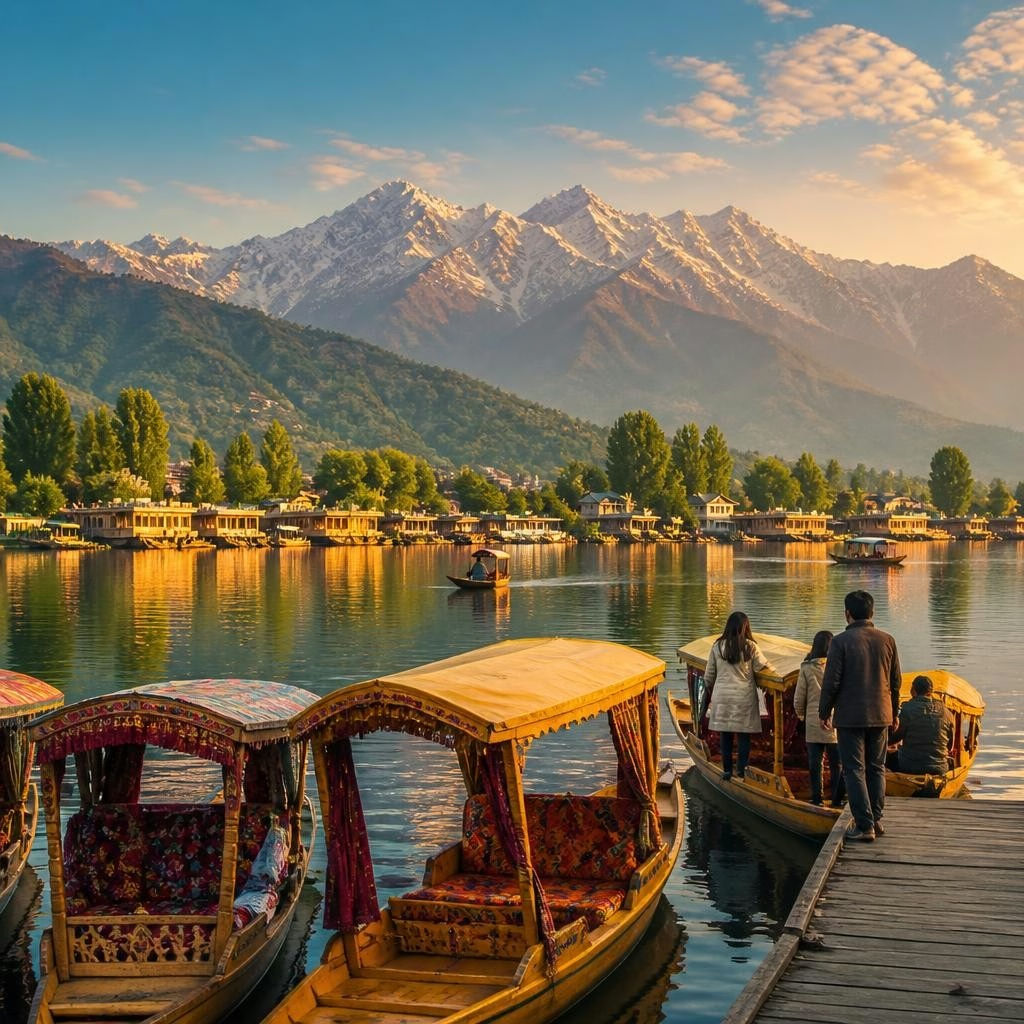
A 6-day plan is the most common and gives a satisfying balance between sightseeing and rest. A typical split is two nights in Srinagar (houseboat or hotel) to experience the lake and gardens, one or two nights in Gulmarg for leisure and activities, and one or two nights in Pahalgam or Sonmarg to explore valleys, meadows and short nature walks. This duration allows time for local experiences without rushing and builds in a more relaxed daily rhythm for families and friend groups.
8-day itinerary — relaxed pace with buffer days
An 8-day itinerary is for travellers who value flexibility and a slower pace. It enables extra nights in Srinagar (longer houseboat stays), a full day each in Gulmarg and Pahalgam, and an additional day for a village visit, pony ride, or to recover from travel‑related fatigue. An extended itinerary is particularly useful in peak season or when travelling with children or older family members, because it absorbs weather-related delays and lets the group savour the scenery.
How packaged tours usually manage hotels, local cabs and houseboats
Reputable tour operators include hotel bookings, intra‑destination transfers and ground transport in their packages; houseboat stays in Srinagar are often listed as a separate included or optional item. Group tours normally provide a dedicated vehicle and local driver for transfers and day trips; many also arrange local cab services where a smaller vehicle is needed. Reviews for organised trips frequently praise the on‑ground team for smooth execution and helpful support during the tour. Before booking, confirm which hotels, meal plans and houseboat nights are actually included and ask for an itemised itinerary so you know what you’ll need to pay for locally.
Best months and weather to plan your trip
Kashmir’s main travel window is when roads are reliably open and the weather is mild—this is the most popular time for sightseeing and outdoor activities in Gulmarg and Pahalgam. Winters bring snow and fewer services but a distinctive snow‑experience; shoulder months can be quieter but occasionally see variable weather. Because mountain roads and passes can be affected by weather, it’s sensible to build buffer time into the itinerary and check seasonal road conditions and flight availability before finalising plans.
Budgeting: cost drivers and how to estimate
Instead of fixed price figures, focus on the components that drive cost: outgoing travel (flights or trains from Delhi–NCR), accommodation grade (standard hotel vs. houseboat or upgraded property), private vs. shared transfers, included meals and guided activities, and peak‑season surcharges. To estimate your budget, request an itemised quote from the operator that separates transport, lodging, meals and activity fees; compare group packages (which often lower per‑person transport/hotel cost) with private departures. Ask about deposit and refund policies as well as any potential extra charges for last‑minute changes.
Booking checklist and practical tips for families and friend groups
Before you commit: verify arrival/departure logistics from Delhi–NCR (flight times, airport transfers), confirm exact hotel or houseboat names and meal plans, ask whether intra‑Kashmir transfers are private or shared, and check baggage limits for mountain routes. Ensure the itinerary allows rest time for children or older travellers and includes contingency days for weather. Read recent guest feedback for the specific departure batch—many customers report exceptional on‑ground coordination when the itinerary is followed, so confirm the operator’s communication protocol for pre‑trip and on‑trip updates. Finally, carry photocopies of IDs, basic medicines, layered clothing and a flexible attitude—mountain travel is rewarding when planned with realistic buffers.
Customer review


Article by
Deyor Experiences
India's First Travel Company To Feature On Shark Tank India. Travel with India's Largest Travel Community. Travel With Like Minded People Only With Deyor!