Ladakh Bike Routes Explained: Leh–Leh Loop vs Srinagar–Leh–Manali Full Circuit (and One‑Way Options)
A practical comparison of the three Ladakh riding options Indian bikers search for most — the Leh–Leh loop, the Srinagar–Leh–Manali full circuit, and the Srinagar–Manali one‑way — covering terrain, acclimatisation, daily rhythm, must‑see stops (Pangong, Nubra, Gata Loops) and which route typically suits beginners, couples and experienced riders.
Quick overview: the three common Ladakh bike routes
Riders typically consider three main approaches to a Ladakh expedition. The Leh–Leh loop starts and finishes in Leh and commonly covers nearby high‑altitude highlights such as Pangong Lake and Nubra Valley. The Srinagar–Leh–Manali full circuit begins in Srinagar, goes up to Leh, then completes the loop by descending via Manali — it is popular with riders seeking a single long expedition. The Srinagar–Manali one‑way follows the same general corridor but ends in Manali without returning to the original start; this often requires coordinating transport for riders or bikes at the finish.
Route characteristics: what changes between them
The Leh–Leh loop tends to be more compact: daily riding segments are focused around Leh as a base, so transfers between attractions are shorter and there is more time for local acclimatisation and sightseeing. The Srinagar–Leh–Manali full circuit is longer in scope and contains sustained high‑altitude riding and long transfer days between valleys and passes. The one‑way Srinagar–Manali option shares many of the same passes as the full circuit but compresses logistics differently — it can feel like a continuous point‑to‑point expedition rather than a loop.
Difficulty and terrain: where the challenges are
All routes include high passes and mountain roads that range from smooth tarmac to broken surfaces and rocky sections. Riders should expect steep climbs, narrow valleys and sections where patience and bike control matter more than speed. Many riders single out the Gata Loops and certain high passes as testing stretches that demand concentration, steady throttle control and good tyres. Weather and road conditions can change quickly, so technical riding experience is a clear advantage on the full circuit.
Acclimatisation and health: planning for altitude
High altitude is the primary non‑riding challenge in Ladakh. Plan your itinerary so you have at least one dedicated acclimatisation day after reaching Leh, monitor symptoms such as persistent headache or breathlessness, and keep hydration and rest as priorities. Reviews for group rides frequently praise on‑ground captains and marshals for attentive altitude management and quick support when riders felt unwell — a strong captain can make a major difference to comfort and safety.
Daily routine, support and logistics to expect
On organised bike tours you can expect a daily rhythm of morning briefings, staged riding, mechanical checks and luggage carried separately on a support vehicle. Numerous travellers have highlighted reliable on‑ground crews: experienced captains, marshals, mechanics and backup vans that manage luggage and minor repairs. At the same time, some reviews point to occasional office‑side issues such as last‑minute accommodation changes, luggage policy enforcement or paperwork delays. Before you book, confirm the support structure (mechanic, backup vehicle), bike model offered, and luggage rules so there are no surprises on the road.
Highlights not to miss along each route
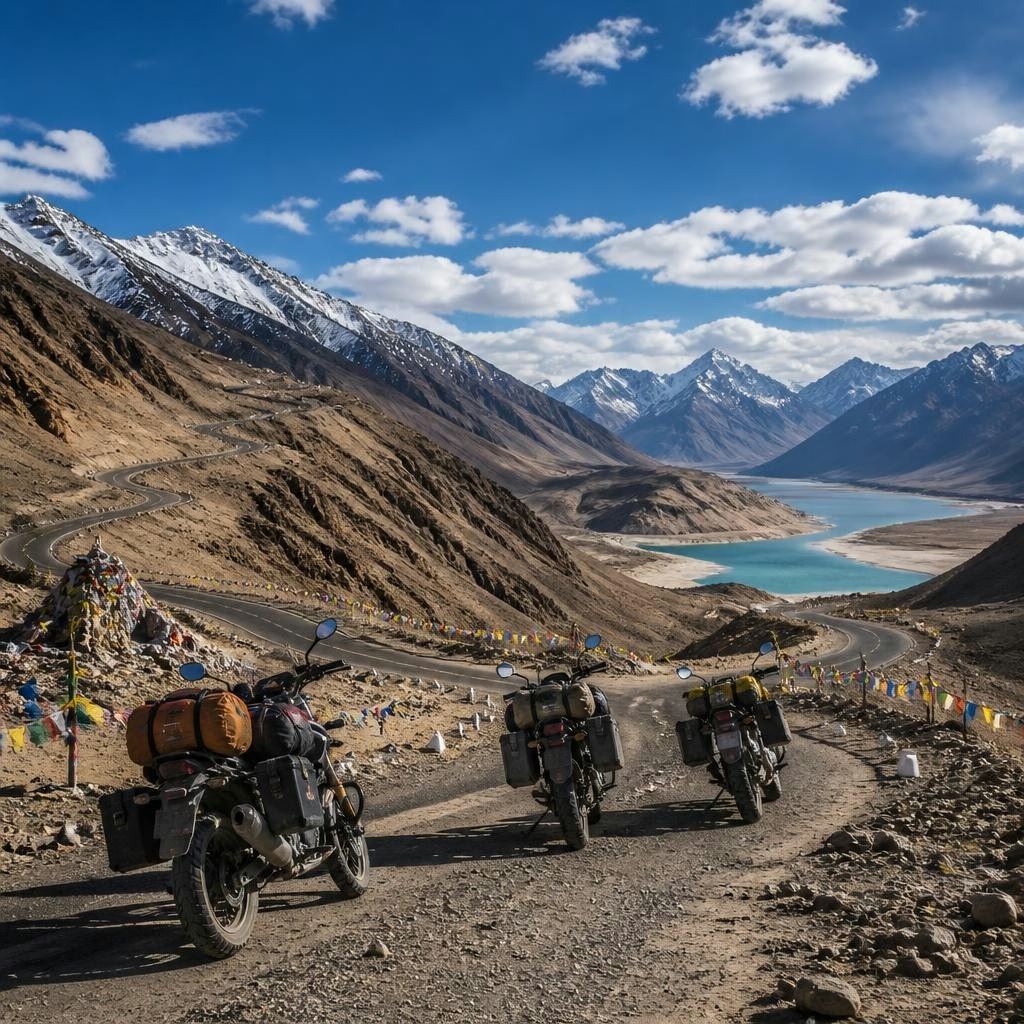
Key natural and cultural stops repeat across itineraries: Pangong Lake and Nubra Valley are frequent highlights for spectacular scenery and unique camping opportunities; Magnetic Hill, Shanti Stupa and the Hall of Fame are common attractions near Leh. On the Srinagar–Leh–Manali axis you will encounter long high‑altitude passes and engineering sections such as the Gata Loops that are memorable for both challenge and scenery. Riders who arranged custom or extended routes have also reported visiting remote points such as Umling La — discuss special requests with your operator early so they can plan logistics and backup.
Which route suits you: matching riders to routes
Beginners and couples often prefer the Leh–Leh loop or itineraries that build an acclimatisation day into the plan and limit long transfer days, because those options provide more time to rest and enjoy highlights without prolonged consecutive riding. Experienced riders seeking a sustained challenge and broader variety of terrain tend to choose the Srinagar–Leh–Manali full circuit or tailored one‑way crossings. If you have limited riding experience, light luggage and realistic expectations about daily comfort will improve your trip.
Practical booking checklist and how to reduce risk
Before you commit, confirm these items with your operator: exact daily riding expectations, luggage policy and any deposits, the bike model and availability of a trained mechanic and backup vehicle, clear change and refund policies, and the name of the on‑ground captain or marshal leading your batch. Reviews consistently praise strong captains and marshals for making difficult days manageable, but they also flag occasional pre‑trip or office‑side hiccups. Clear written answers on luggage rules, what is and isn’t included, and contingency plans for health or mechanical issues will make your Ladakh ride far more enjoyable.
Article by
Deyor Experiences
India's First Travel Company To Feature On Shark Tank India. Travel with India's Largest Travel Community. Travel With Like Minded People Only With Deyor!