Leh–Ladakh Bike Trip for Beginners: How Guided Group Tours Make High-Altitude Rides Safer
Practical guidance for first-time Leh–Ladakh riders from Gurgaon, Delhi and North India on why guided group bike tours improve safety and comfort—covering captains and marshals, backup vans and mechanics, pacing for acclimatization, on-road procedures, and questions to ask before you book.
Why choose a guided group for your first Leh–Ladakh ride
Leh–Ladakh presents extraordinary landscapes and challenging riding conditions: high passes, long distances between services, shifting weather, and thinner air. For riders coming from Gurgaon, Delhi or other North India cities, a guided group tour reduces many of the unknowns. Professional groups plan routes, manage logistics, and provide a support structure that lets beginners focus on learning to ride at altitude rather than improvising every day.
The role of ride captains and marshals
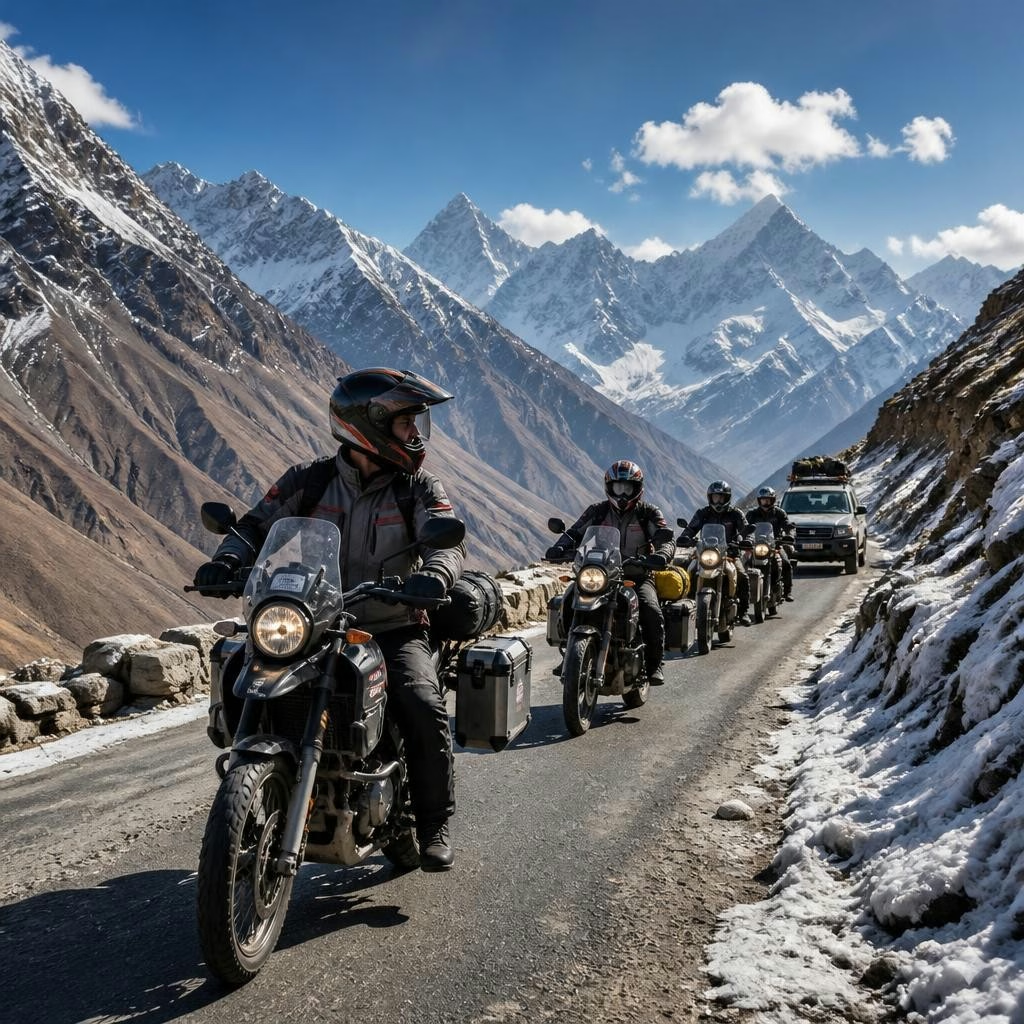
Experienced ride captains and marshals are the backbone of a safe group ride. A captain leads the pace, chooses safe lines through difficult stretches, and makes on-the-spot decisions when conditions change. Marshals ride at the front and rear to keep the group together and to assist slower riders. Multiple traveller reports praise calm, experienced captains and marshals who reassure novices, set appropriate speeds, and step in when riders need guidance—making the overall experience more predictable and less stressful.
Backup vans and mechanical support: why they matter
On high-altitude routes you should expect at least one support vehicle and on-call mechanics. A backup van carries luggage, emergency supplies and can transport riders or bikes if someone is unable to continue. Mechanics and a support crew handle breakdowns quickly, helping reduce downtime and safety risk on exposed stretches. Several travellers specifically appreciated on-ground support teams and backup vans that kept the ride moving and helped with bike checks during the tour.
Pacing and acclimatization to reduce altitude risk
Safe high-altitude riding is as much about pacing as it is about riding skill. Guided tours typically include gradual ascent profiles, rest stops, and planned easy-riding days so your body can acclimatize. While itineraries vary, look for plans that allow time to adjust before the highest passes and for leaders who monitor riders for symptoms of altitude sickness and insist on sensible rest when needed. Reviewers often note that well-organized itineraries and attentive leaders made them feel comfortable despite the remote environment.
On-road safety practices guided groups use
Guided groups follow specific practices that improve safety for everyone: riding in staggered formations, maintaining consistent spacing, using hand signals and radio/phone communication, doing pre-ride briefings, and conducting routine bike checks. Leaders also plan for contingency routes and stop points. Riders report greater confidence when these protocols are enforced by patient, authoritative captains who keep the group calm during unexpected events like roadblocks or landslides.
How to prepare as a beginner rider
Do a few preparatory rides at home: practice long-day riding, cornering, and riding in a group. Pack appropriate layered clothing, a reliable helmet and gloves, basic tools and puncture repair items. Make sure your bike is serviced before departure and keep copies of ID and emergency contacts handy. Ask your tour operator about luggage transfer, fuel stops, average daily ride hours, and what the support vehicle will carry so you can pack light and ride focused.
Questions to ask before you book and a realistic expectation
Before booking, confirm these practical details: size of the ride group, experience level of the ride captain and marshals, presence of a backup van and on-tour mechanic, planned acclimatization days, daily ride durations, and how the operator manages emergencies. Be sure to ask about payment and deposit policies and refund procedures—some travellers have reported difficulties or unclear communication around deposits and post-ride inspections, so seek written clarity. Finally, read recent trip feedback about on-ground execution (stays, food and communications) and balance praise for strong captains and support staff against any operational concerns so you know what to expect.
Article by
Deyor Experiences
India's First Travel Company To Feature On Shark Tank India. Travel with India's Largest Travel Community. Travel With Like Minded People Only With Deyor!