Setting the Right Expectations for High‑Altitude Trips: What No Brochure Tells You
A practical, candid guide to the realities of high‑altitude journeys like Spiti and Ladakh—what to expect on the road, how operators can under‑promise and over‑deliver, and the questions travelers should ask before they book.
Why honest expectations matter
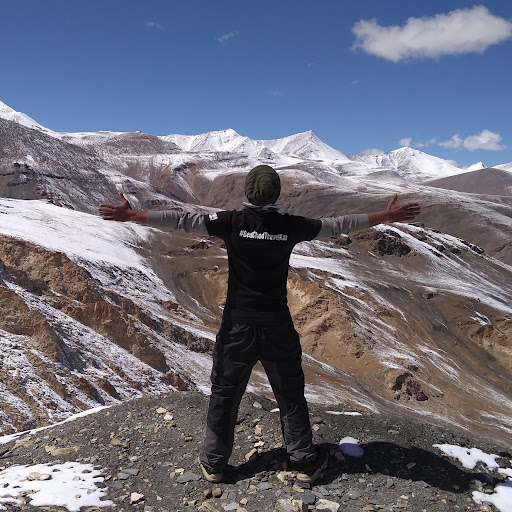
High‑altitude expeditions—whether a multi‑day bike ride through Spiti or the full Ladakh circuit—combine spectacular scenery with logistical and environmental challenges. When operators set realistic expectations before departure, travelers are less likely to be surprised or disappointed when weather, road conditions, or local services differ from brochure images. Clear, conservative communication builds trust, reduces conflict, and helps everyone focus on the experience rather than on unmet assumptions.
Typical on‑ground realities you won't find in glossy photos
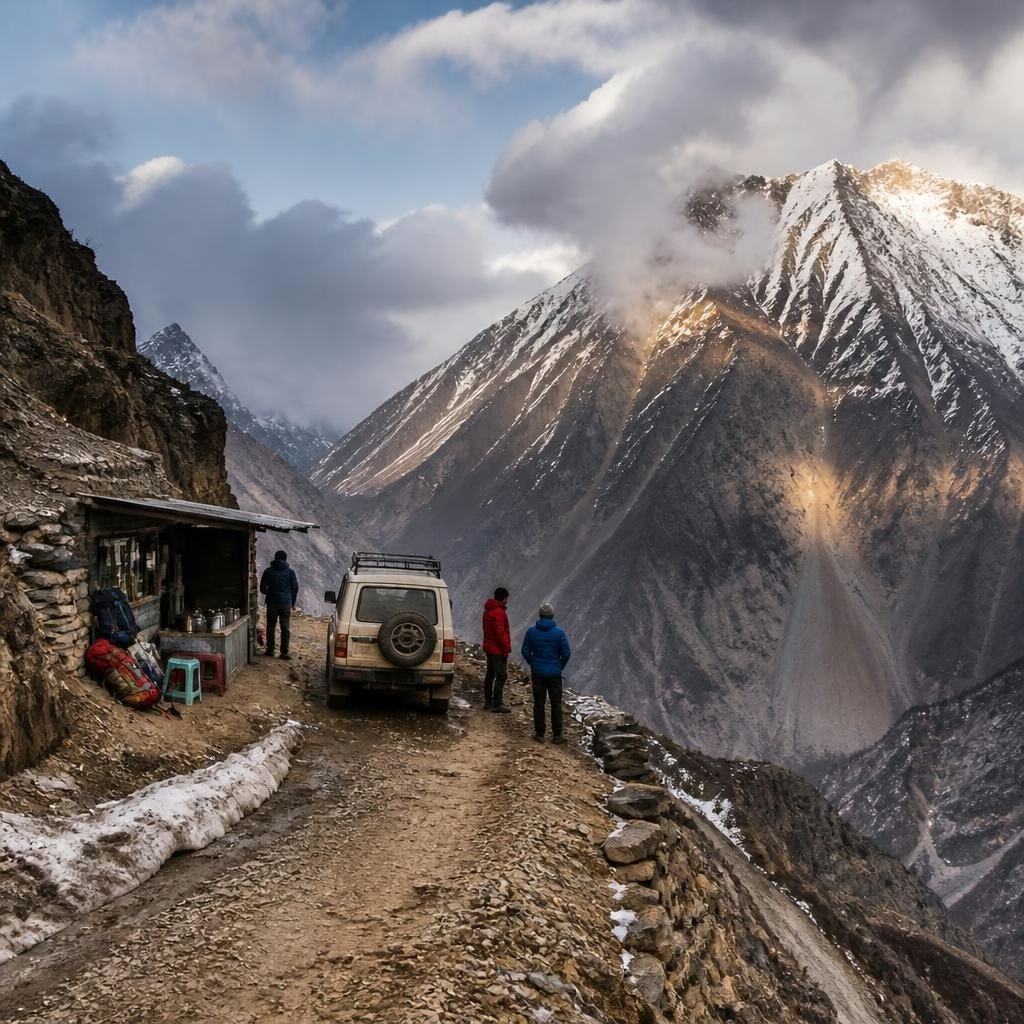
Remote mountain regions have constraints that affect every trip: accommodation in small settlements can be basic rather than luxurious; meal options may be limited or repetitive; roads can be rough, narrow, or blocked by landslides; and schedules often change because of weather or local conditions. Vehicle breakdowns, ferrying luggage, longer riding days and ad‑hoc detours are all possible. Several travelers report that while ground leadership and marshals handled these challenges well, the reality on arrival sometimes contrasted with pre‑trip assurances—so plan for the simplest scenario and be pleasantly surprised if things improve.
Health, acclimatization and personal preparedness
Altitude and cold are real considerations. Slow, staged acclimatization, proper hydration, layered clothing, and awareness of early altitude symptoms are essential. Travelers should consult their physician if they have pre‑existing conditions and consider carrying basic medications. Operators should brief groups on acclimatization plans and on evacuation procedures; likewise, travelers should arrive physically prepared for long riding days or sustained trekking, depending on the itinerary.
Where operators often succeed—and where they can improve
Customer feedback shows a clear pattern: experienced trip captains, marshals and support teams make a major positive difference. Many reviews single out calm leadership, technical help on difficult stretches, and dependable on‑road coordination as highlights. At the same time, recurring concerns appear around backend processes—deposit deductions, bike inspections, refunds, baggage rules and occasional lapses in communication. Recognizing these two sides helps both travelers and operators close the gap between promise and delivery.
How under‑promising and over‑delivering works in practice
Under‑promising means being conservative about stays, food variety, daily distances, and contingency plans in pre‑trip materials and sales conversations. Over‑delivering means investing effort on the ground—skilled captains and marshals, timely problem solving, clear daily briefings, contingency transport when needed, and fair, transparent handling of security deposits and post‑trip inspections. Operators who adopt this approach lower traveler expectations just enough to ensure that good execution is noticed and appreciated rather than overshadowed by unmet promises.
A practical pre‑booking checklist for travelers
Before you commit, get written answers to: What is the typical standard of accommodation on remote nights? What is the luggage policy (backpack vs suitcase) and are there penalties? What is included in the price and what are optional paid upgrades? How are security deposits and post‑trip inspections handled—what documentation will I receive? What are refund and emergency transfer policies in case of illness or blocked roads? Who is the on‑ground contact and what is the communication channel during the trip? Also confirm minimum fitness/experience expectations and consider travel insurance that covers high‑altitude evacuation.
Travel tips to protect your experience—and appreciate the team
Pack light but wisely (warm layers, waterproofs, personal repair kit, basic meds), arrive with realistic expectations, and keep flexible in the face of inevitable changes. Respect the expertise of captains and marshals—reviews consistently show that thoughtful, safety‑focused leaders transform difficult stretches into memorable moments. Finally, if you encounter backend or financial issues, raise them promptly and request transparent, documented explanations; constructive feedback helps operators improve and benefits future travelers.
Article by
Deyor Experiences
India's First Travel Company To Feature On Shark Tank India. Travel with India's Largest Travel Community. Travel With Like Minded People Only With Deyor!