What a Tour Marshal and Ride Captain Actually Do on Spiti & Ladakh Rides — Why Their Role Matters for Your Safety
A clear, practical guide to the responsibilities of ride captains and marshals on Himalayan bike expeditions, how they keep groups safe and moving, and what riders should expect before and during a Spiti or Leh–Ladakh trip.
Why a dedicated captain and marshal team matters in the Himalayas
High-altitude, remote routes like Spiti and Leh–Ladakh pose unique challenges: unpredictable weather, long stretches without services, narrow mountain roads, and rapidly changing road surfaces. On these expeditions a ride captain and one or more marshals do more than lead the group — they act as on-road decision makers, first responders, and the primary source of rider confidence. Customer feedback for Himalayan batches consistently highlights calm leadership and hands-on support from captains and marshals as a key reason riders complete these journeys safely and with strong group camaraderie.
Pre-ride planning: setting expectations and preparing the group
Before the first kilometer the captain and marshals set the tone. Typical pre-ride responsibilities include route briefings, daily schedules, altitude and weather advisories, and a review of required documents and permits. They also assess rider experience and bike readiness, advise on packing and layering for variable conditions, and clarify communication protocols for the day. Clear, realistic briefings reduce surprises on the road and help riders make informed decisions about pace and participation.
On-road leadership: pacing, lane choice, and line selection
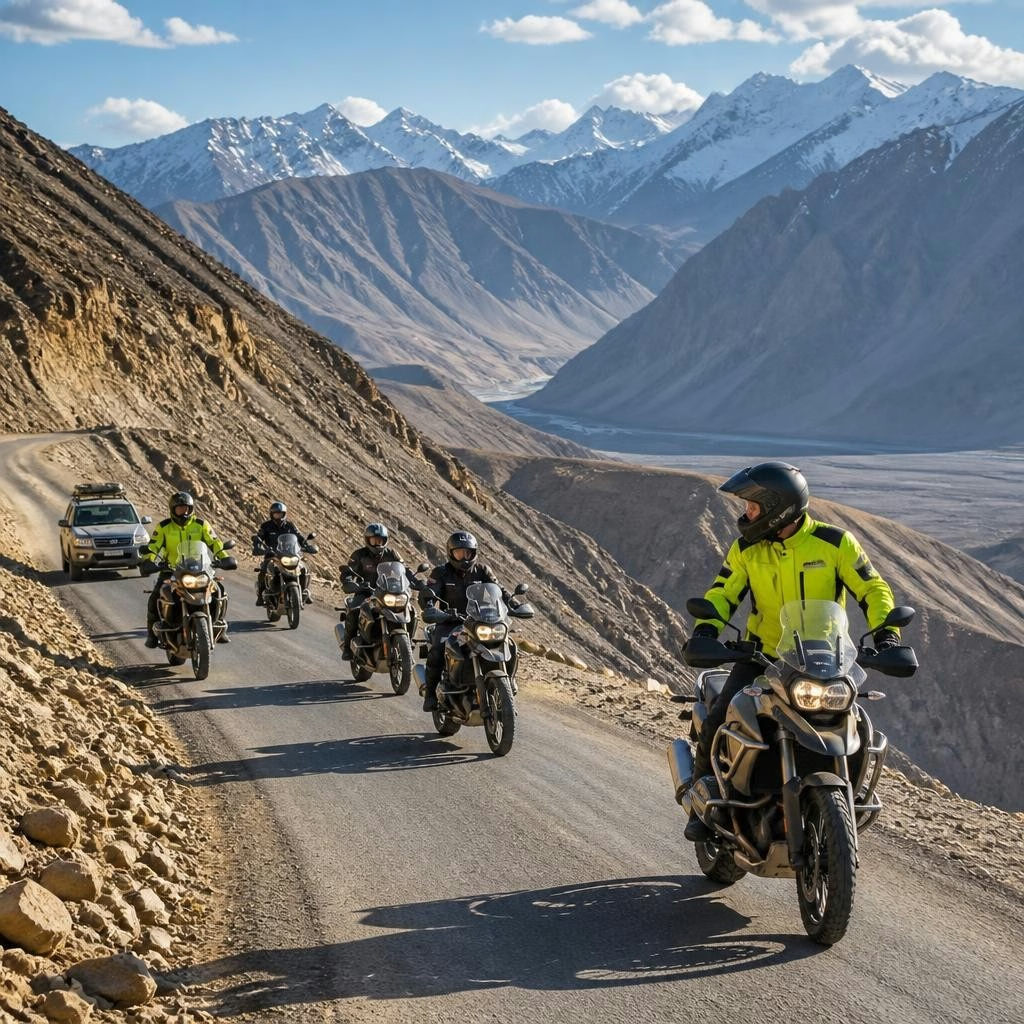
While riding, the captain sets daily pace and riding order according to terrain and group ability. Marshals typically ride behind or within the group to monitor spacing, assist slower riders, and ensure safe overtakes. Together they choose the safest lines through gravel, river crossings, and high passes, and decide when to stop for acclimatisation or rests. These split-second route choices — often informed by local knowledge and real-time observation — directly reduce the risk of falls and fatigue-related incidents.
Mechanical checks and keeping bikes roadworthy
An important but less visible task is ongoing bike health monitoring. Marshals and support staff routinely check tyre pressure, brakes, chain condition, and bolt tightness at stops. They coordinate with on-road mechanics or the backup vehicle if a repair or tyre change is needed. Regular, basic checks prevent roadside breakdowns from becoming safety hazards, especially when help is hours away.
Emergency response and coordination with the support van
Captains and marshals are trained to triage incidents on the road: stabilise injured riders, organise evacuations, and summon additional help. They liaise directly with the backup van driver, luggage handlers, and any local emergency services, deciding whether to transfer a rider or equipment and arranging onward transport. Effective coordination between the on-bike team and the support vehicle is essential for timely evacuations and for keeping the rest of the group informed and reassured.
How marshals support both novice and experienced riders
For novices, marshals provide hands-on mentoring: riding tips for off-camber sections, guidance on clutch and brake modulation, and psychological support on scary stretches. For experienced riders they manage group dynamics — preventing over-speeding, limiting risky passes, and enabling experienced riders to tackle technical sections safely while keeping the group intact. This balanced approach helps everyone enjoy the ride without compromising safety or the overall schedule.
What riders should confirm before booking and during the trip
Before you sign up, ask about the captain-to-rider and marshal-to-rider ratio, the presence of an onsite mechanic and backup vehicle, and the communication methods used for day-to-day updates. During the pre-ride briefing, expect clear statements about pacing, contingency plans for bad weather, and protocols for medical or mechanical emergencies. Customer reports show strong appreciation for dependable on-ground teams, but also note that clear, honest pre-trip communication from operations is important — confirm expectations in writing where possible so the on-road team's capabilities align with what you were promised.
Article by
Deyor Experiences
India's First Travel Company To Feature On Shark Tank India. Travel with India's Largest Travel Community. Travel With Like Minded People Only With Deyor!