What to Pack for a 7–10 Day Himalayan Bike Trip: Leh, Spiti & Bhutan — A Practical Checklist
A concise, practical packing guide for riders joining 7–10 day guided Himalayan bike expeditions (Leh, Spiti, Bhutan) covering riding kit, layered clothing, bike spares, medicines, documents, gadgets and smart luggage tips that work with support vans and frequent hotel changes.
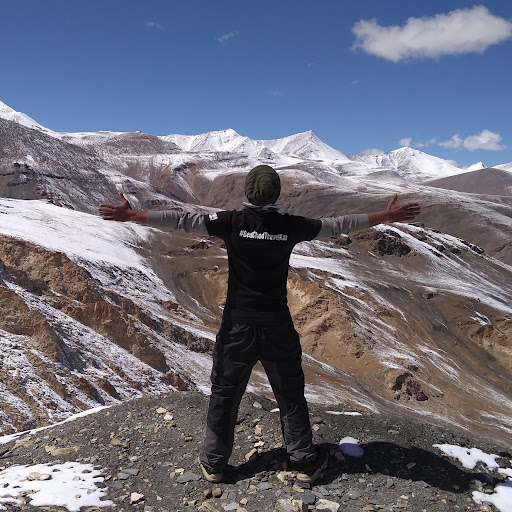
Why the right packing matters
A week to ten days in the Himalayas means rapid altitude and temperature changes, long riding days, and many short hotel stops. Packing thoughtfully keeps you comfortable on the bike, helps the support team move luggage efficiently, and reduces stress for the whole group. Many Deyor riders praise the on-ground captains and marshals who manage rides and luggage logistics; one rider on a Spiti trip specifically noted reliable bike checks and luggage transfers, which underscores how a compact, organised kit pairs well with good ground support.
Packing principles for Himalayan bike expeditions
Think layers, protection, and redundancy. Aim for gear that is warm yet compressible, waterproof, and easy to access while on the road. Prioritise items you will need daily (documents, warm hat, light rain shell, basic meds) in a small daypack, and put bulkier or less-frequently used items in bags the support van can carry. Use dry bags or waterproof liners inside soft luggage to protect clothes and electronics.
Essential riding gear
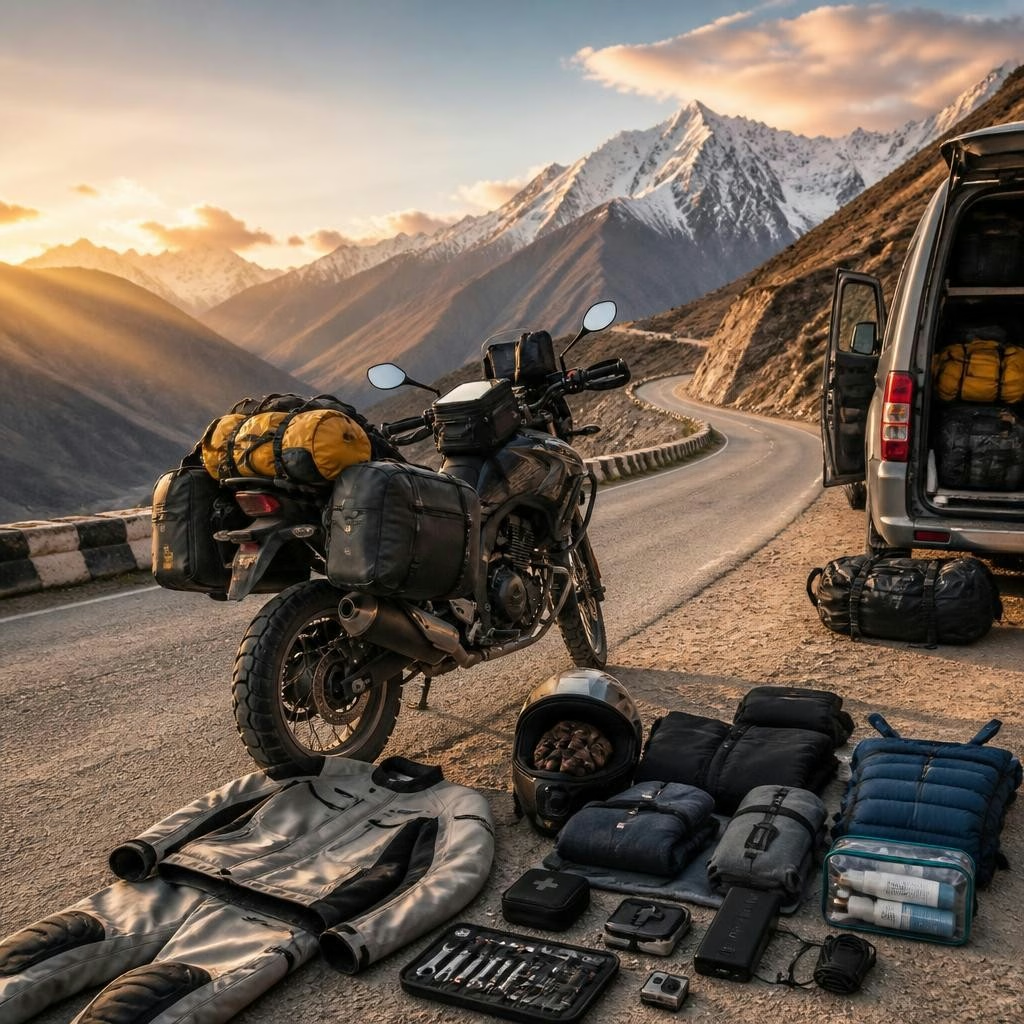
Helmet (well-fitted, visor or goggles), riding jacket with removable thermal liner and waterproof shell, armored riding pants or knee guards, riding gloves (a thin pair for warmth layering and a thicker waterproof pair), sturdy riding boots, and a neck gaiter or balaclava. Carry at least one spare visor/clear lens and a small visor-cleaning kit. A basic set of knee/elbow protectors and reflective tape on luggage helps for low-light starts or late finishes.
Clothing and layers for changing altitudes
Base layer: moisture-wicking innerwear and quick-dry T-shirts. Mid layer: fleece or light insulated jacket. Outer layer: lightweight down or synthetic insulated jacket for evenings, plus a waterproof breathable shell. Lower body: thermal leggings for very cold mornings, quick-dry pants for daytime, and spare warm socks (wool or merino blends). Pack a compact sleep set (comfortable top and bottoms) and minimal toiletries to save space.
Bike tools, spares and pre-ride checks
Even with a support mechanic, carry a small tool kit, tyre repair kit and CO2 cartridges or mini-pump, a basic multi-tool, spare fuses, a few common small spares (bulb, clutch/brake lever spare if applicable to your bike), chain lube and zip ties. Keep copies of bike documents, insurance, a photocopy of your driving licence and vehicle registration in a waterproof folder. As reviews often highlight, teams that perform regular bike checks make a big difference—ensure your bike is serviced before departure and flag any concerns early.
Medicines, health and altitude preparedness
Carry personal prescriptions plus a compact first-aid kit: pain relief, anti-inflammatory, anti-diarrheal, oral rehydration salts, adhesive plasters, antiseptic wipes and blister care. For altitude, consult a doctor before travel about prevention and treatment options; carry any prescribed medicines and monitor symptoms closely. Hydration, rest and steady pacing on the bike are practical measures to help manage altitude-related issues.
Electronics, documents and navigation
Phone with offline maps, a reliable phone mount, spare charging cables, a high-capacity power bank, and a small travel adapter. A headlamp or compact torch with spare batteries is useful. Keep original ID and permit documents in your daypack and digital copies backed up in the cloud. Label chargers and power banks so they are easy to identify during frequent hotel changes.
Luggage organisation and day-to-day tips
Use a soft duffel or saddlebags with internal dry bags for clothes; keep a small daypack with essentials (documents, water bottle, snacks, basic tools) so you can ride light between stops. Mark luggage with your name and room number where possible. Trust the support van for overnight luggage but keep valuables and immediate-need items with you. Before each ride, pack a small ‘ride kit’ the night before so morning departures are smooth. Finally, print or save a short checklist of the essentials from this guide to double-check before you leave—it makes group departures and transfers faster and keeps the focus on the ride.
Customer review


Article by
Deyor Experiences
India's First Travel Company To Feature On Shark Tank India. Travel with India's Largest Travel Community. Travel With Like Minded People Only With Deyor!